Autor: admin

  • BGK konto i BGK biznes: porównanie narzędzi i ryzyk logowania do BGK24 dla firm

    Jedna rzecz, której menedżerowie finansów często nie rozumieją na początku współpracy z instytucjami państwowymi: prosty dostęp do konta to nie tylko wygoda — to mechanizm kontroli ryzyka operacyjnego. W praktyce platforma bankowości internetowej BGK24 łączy funkcje standardowej bankowości firmowej z modułami projektów rządowych i zaawansowanymi mechanizmami płatności zbiorczych. To stawia przed przedsiębiorcą pytanie: jak wybrać ustawienia, które maksymalizują efektywność płatności i jednocześnie minimalizują powierzchnię ataku?

    Wstępna odpowiedź wymaga rozróżnienia dwóch ról: “BGK konto” jako konto firmowe (rachunek bieżący, walutowy, rachunek VAT lub powierniczy) oraz “BGK biznes” jako sposób organizacji operacji przez system BGK24 wraz z modułami takimi jak SIMP. Ten artykuł pokaże mechanizmy działania, porówna alternatywy autoryzacji i integracji oraz wskaże, gdzie system zwykle “siada” — czyli które elementy wymagają szczególnej ostrożności w polskim kontekście prawnym i operacyjnym.

    Logo Banku Gospodarstwa Krajowego — symbol państwowej roli BGK w obsłudze rachunków rządowych i programów publicznych

    Jak działa BGK24: rdzeń mechanizmu i kluczowe decyzje

    BGK24 to system do zarządzania rachunkami i zlecaniem płatności. Mechanicznie składa się z kilku warstw: warstwy autoryzacji użytkownika (logowanie, biometryka, token), warstwy autoryzacji transakcji (token mobilny, SMS), modułów funkcjonalnych (SIMP, obsługa rachunków VAT, escrow) oraz API integracyjnego dla firm (Web Service). To rozwarstwienie pozwala skalować uprawnienia i separować obowiązki — ale też mnoży punkty, które trzeba chronić.

    Dla klienta biznesowego główne decyzje operacyjne to: (1) który kanał autoryzacji stosować jako podstawowy (token mobilny vs SMS vs biometryka), (2) jak skonfigurować limity transakcyjne w aplikacji mobilnej, oraz (3) jak korzystać z integracji Web Service do podłączenia ERP. Każda z tych decyzji ma bezpośrednie konsekwencje bezpieczeństwa i operacyjności.

    Autoryzacje: porównanie token mobilny vs SMS vs biometria

    Token mobilny (aplikacja BGK24 Token) — mechanizm: po aktywacji generuje kody w trybie offline. Zalety: odporność na przerwy sieciowe i trudniejsza kradzież sesji zdalnej; wadą jest zależność od konkretnego urządzenia i procedura parowania przy wymianie telefonu (stare urządzenie trzeba usunąć). To zmniejsza ryzyko SIM-swap, ale stwarza operacyjny koszt przy zmianie sprzętu.

    Autoryzacja SMS — mechanizm: jednorazowy kod dostarczany przez operatora telekomunikacyjnego. Zalety: prostota, powszechna dostępność. Wady: podatność na ataki typu SIM-swap i przechwycenie wiadomości. Dla dużych płatności lub integracji automatycznych SMS nie jest najlepszym wyborem.

    Biometria — mechanizm: lokalne odblokowanie aplikacji mobilnej odciskiem palca lub Face ID. Biometria podnosi komfort i zabezpiecza przed dostępem osoby trzeciej do aplikacji na urządzeniu, lecz nie zastępuje autoryzacji transakcji w systemie (może służyć jako warstwa pierwszego dostępu). Biometria nie przenosi uprawnień między urządzeniami.

    Limity, polityka urządzeń i operacyjna odporność

    Domyślne limity w aplikacji mobilnej (1000 zł dziennie i 500 zł na przelew) są zorientowane na bezpieczeństwo. Możliwość podniesienia do 50 000 zł daje elastyczność, ale wymaga świadomej polityki: kto ma prawo podwyższać limity, jakie są procedury weryfikacji i jak monitorować anomalie. Wyższy limit bez odpowiednich procedur audytu to prosta droga do strat przy błędzie kadrowym lub ataku socjotechnicznym.

    Architektura urządzeń nakłada restrykcję: profil użytkownika może być aktywny tylko na jednym smartfonie. To ograniczenie redukuje atak wielosystemowy, ale wprowadza konieczność zarządzania cyklem życia urządzeń (procedury usuwania starego telefonu, parowania nowego). Firmy z rotacją pracowników powinny mieć centralny proces revoke/issue urządzeń.

    SIMP i SIMP Premium: automatyzacja płatności zbiorczych — korzyści i zagrożenia

    Moduł SIMP to narzędzie do masowych płatności, przydatne przy wypłatach lub rozliczeniach kontraktowych. Mechanizm integruje się z ERP przez Web Service i może znacznie zmniejszyć pracę ręczną. Korzyść: automatyzacja i standaryzacja. Zagrożenie: błąd w pliku płatniczym lub niewłaściwe mapowanie pól może wygenerować błędne transfery na dużą skalę. Dlatego systemy powinny mieć wielostopniową autoryzację (separacja ról), próby testowe i funkcję cofnięcia zanim wyśle się masowe przelewy.

    Dla klientów korzystających z rachunków VAT i mechanizmu split payment SIMP może być szczególnie przydatny, ale wymaga zrozumienia skutków księgowych — zwłaszcza przy rozliczeniu podatkowym i okresowych audytach.

    Gdzie BGK24 “siada”: ograniczenia i typowe źródła ryzyka

    Najczęstsze słabe punkty to: (1) procedury przy wymianie urządzenia (błędne usunięcie starego telefonu może zostawić aktywną ścieżkę autoryzacji), (2) nadmierne podwyższanie limitów bez kontroli, (3) użycie SMS jako jedynej metody autoryzacji dla wysokich kwot, (4) brak integracji audytów z ERP przy użyciu Web Service. Każdy z tych punktów to mechanizm, który sam w sobie nie jest wadą, ale w kontekście braku procesów wewnętrznych staje się podatnością.

    Warto także pamiętać o procesach odzyskiwania dostępu: blokada po trzech nieudanych logowaniach i konieczność kontaktu z infolinią to zabezpieczenie, ale też potencjalne źródło opóźnień krytycznych płatności. Plan awaryjny powinien uwzględniać opcję szybkiej weryfikacji tożsamości i procedury eskalacji u BGK.

    Praktyczne heurystyki i rekomendacje dla firm

    Heurystyka 1 — separacja ról: nigdy nie łącz osoby generującej plik przelewów z osobą autoryzującą masowe wypłaty. Heurystyka 2 — limity w praktyce: ustawiaj limity operacyjne bliskie codziennej potrzebie, a większe zlecenia kieruj do wielostopniowej autoryzacji. Heurystyka 3 — urządzenia: trzymaj katalog autoryzowanych sprzętów i postępuj według checklisty przy wymianie telefonu.

    Dla firm intensywnie korzystających z programów rządowych przez BGK (np. dystrybucja środków programowych) kluczowe jest zrozumienie: BGK24 to nie tylko konto — to platforma, która współdziała z procesami administracji publicznej. Integracja z Profilami Zaufanymi i MojeID pozwala usprawnić weryfikację beneficjentów, ale wymaga skrupulatnego zarządzania uprawnieniami.

    Aby szybko przejść do praktycznego logowania i sprawdzić instrukcje aktywacji tokenu lub procedurę zmiany urządzenia, skorzystaj z oficjalnej strony instrukcji: bgk24 logowanie.

    Co obserwować dalej — sygnały, które zmienią reguły gry

    Monitoruj trzy sygnały: (1) zmiany w technologii autoryzacji (np. szerokie wdrożenie FIDO2 lub WebAuthn w bankowości korporacyjnej), (2) regulacje dotyczące bezpieczeństwa teleinformatycznego i dostępu do systemów płatniczych, oraz (3) ewolucję metod ataku na łańcuch dostaw telekomunikacyjnych (SIM-swap). Każdy z nich może przesunąć optymalny kompromis między wygodą a bezpieczeństwem.

    Jeżeli BGK rozszerzy integracje API (bardziej zaawansowane Web Service), firmy będą miały większe możliwości automatyzacji — ale równocześnie muszą zainwestować w testy integracyjne i monitorowanie anomalii transakcyjnych.

    FAQ — najczęstsze pytania praktyczne

    1. Co jest bezpieczniejsze dla firmy: token mobilny czy SMS?

    Dla firm o znaczących przepływach finansowych bezpieczniejszy jest token mobilny działający w trybie offline — redukuje ryzyko SIM-swap i przechwycenia kodów. SMS jest prostszy, ale bardziej podatny na ataki telekomunikacyjne. Optymalna polityka to token dla autoryzacji dużych transakcji i SMS/biometria jako dodatkowa warstwa dostępu.

    2. Jak zabezpieczyć masowe przelewy w SIMP?

    Wdrożyć separację obowiązków (tworzenie pliku przez jedną osobę, zatwierdzenie przez drugą), testy próbne na małych kwotach, audyt pól pliku oraz automatyczne alerty anomalii po wysyłce. Przy integracji z ERP warto mieć środowisko testowe i logi transakcyjne do szybkiego śledzenia błędów.

    3. Co robić przy zmianie telefonu z aktywnym tokenem?

    Usunąć stary telefon z listy autoryzowanych urządzeń w ustawieniach BGK24, przeprowadzić parowanie nowego telefonu zgodnie z procedurą, oraz zweryfikować, że żaden inny profil nie pozostał aktywny. W większych organizacjach warto koordynować to z działem IT i BGK.

    4. Czy można podnieść limity natychmiastowo?

    Tak, limity można podnosić do 50 000 zł, ale podwyższenie powinno iść w parze z audytem uprawnień, monitoringiem transakcji i dokumentacją decyzji — to zmniejszy ryzyko nadużyć i błędów.
  • 지갑 확장 하나로 여러 체인을 관리할 수 있을까? — Rabby Wallet의 위치와 실전적 판단

    서울에서 DeFi를 실험하려는 사용자의 현실적인 장면으로 시작하자. 당신은 NFT 마켓에 가고, 이더리움 기반 DEX에서 유동성을 제공하고, BSC나 Polygon 위의 특정 프로젝트에 스테이킹을 걸고 싶다. 각 체인마다 다른 네트워크를 전환하고, 트랜잭션 수수료를 확인하고, 동일한 자산 이름이 다른 체인에서 충돌하는 상황을 피해야 한다. 이 상황에서 ‘멀티체인 지갑’이라는 개념은 단순히 여러 네트워크를 나열하는 수준을 넘어, 사용자의 선택과 위험을 줄여주는 도구로 진화해야 한다.

    이 글은 Rabby Wallet 데스크톱 확장(크롬 포함)과 모바일 앱을 찾는 한국어 사용자에게 실전적 판단 프레임을 제공하려고 한다. 기술적 원리, UX와 보안의 트레이드오프, 실무에서 자주 만나는 한계와 대처법을 다루며, 마지막에는 명확한 행동 지침과 감시 포인트를 제안할 것이다.

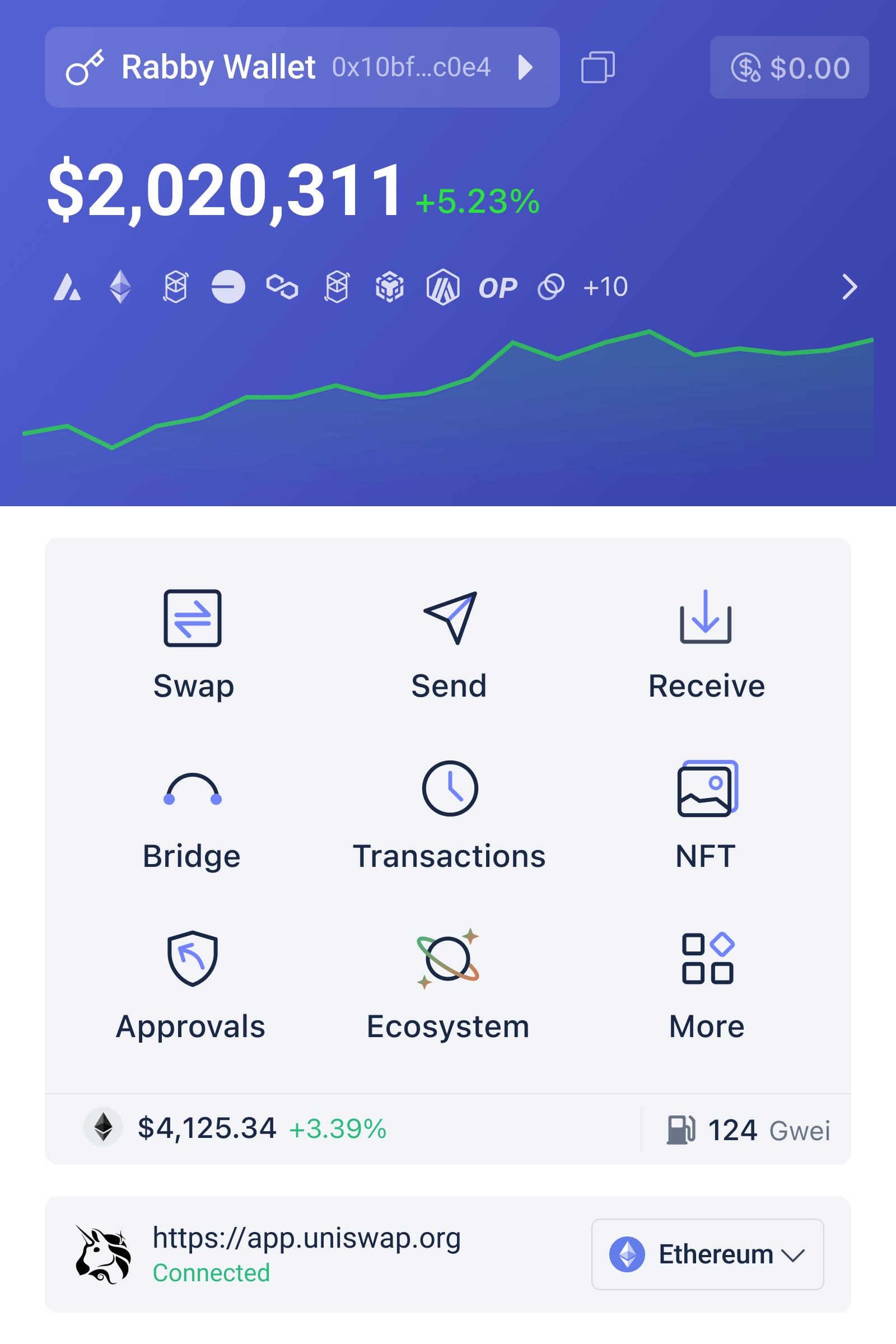
    Rabby Wallet 인터페이스 예시와 멀티체인 전환, 트랜잭션 서명 흐름을 보여주는 스크린샷

    멀티체인 지갑이 해결하려는 문제와 핵심 메커니즘

    멀티체인 지갑은 한 지갑 소유자가 여러 블록체인 네트워크의 주소와 자산을 한 인터페이스에서 관리하도록 돕는다. 근본 메커니즘은 단순하다: 같은 개인키(혹은 시드)에서 파생된 주소들을 여러 체인에 대응시키고, UI/네트워크 레이어가 사용자를 대신해 RPC(endpoints)를 전환하며 트랜잭션을 구성한다. 그러나 ‘보이는 것’과 ‘작동하는 것’ 사이에는 중요한 차이가 있다. 예컨대, 체인 간 자산의 ‘동일성’은 기술적으로 보장되지 않는다 — 같은 토큰 심볼이라도 체인마다 다른 스마트컨트랙트 주소를 가진 별개 자산이다.

    실무적 의미: 멀티체인 지갑은 전환 편의성과 관리 효율을 제공하지만, 사용자는 체인별 자산 주소, 수수료(가스), 그리고 트랜잭션 리스크를 별도로 확인해야 한다. 자동 네트워크 전환 기능은 편리하지만 때로는 위험을 수반한다. 예를 들어 악성 DApp이 특정 RPC를 강요해 피싱 트랜잭션을 유도할 수 있다. 따라서 멀티체인 지갑 설계는 ‘편의’와 ‘통제’ 사이의 균형을 취해야 한다.

    Rabby Wallet—어떤 위치에 서 있나?

    Rabby Wallet 확장은 데스크톱 브라우저 환경에서 멀티체인 자산을 다루기 위해 만들어진 도구다. 핵심적으로는 사용자의 서명 흐름을 명확히 하고, DApp과의 상호작용에서 서명 요청의 의미를 시각적으로 분리하려는 설계 철학을 가진 것으로 알려져 있다. 한국 사용자를 위한 실전 팁: 브라우저 기반 확장은 편의성이 크지만, 브라우저 확장 자체가 공격 표면이라는 점을 잊어서는 안 된다.

    만약 데스크톱과 모바일을 모두 쓰려는 사용자라면, 확장과 모바일 앱의 연동 방식(예: 시드 동기화, 연결 프로세스)을 검토해야 한다. 일부 사용자는 데스크톱에서 확장을 쓰고, 이동 중에는 모바일 앱을 이용한다. 이때 중요한 결정 포인트는 ‘시드 백업과 복구’다—하나의 시드가 여러 환경에서 사용될 때 노출 위험이 늘어난다. Rabby Wallet을 설치하려는 독자에게는 공식 배포 페이지를 통해 설치 파일이나 안내를 확인하되, 설치 전 복구 문구(시드)를 종이 등 오프라인 매체에 안전하게 보관하라는 기본 원칙을 반드시 지키라고 권한다. 실제 다운로드 페이지는 다음 링크에서 찾을 수 있다: rabby wallet 다운로드.

    트레이드오프: 보안, 편의, 기능성

    아래는 실무에서 자주 마주치는 세 가지 축이다. 각 축은 서로 충돌할 수 있으므로 의사결정은 사용 패턴과 위험 허용도에 기반해야 한다.

    1) 보안 vs 편의: 브라우저 확장은 클릭 한 번으로 DApp에 연결하는 편리를 준다. 반대로 확장 권한을 가진 악성 확장이나 브라우저 취약점이 발생하면 키 노출로 이어질 수 있다. 하드웨어 지갑 연동을 지원하는 지갑은 안전을 크게 높이지만 사용성은 낮아진다.

    2) 멀티체인 호환성 vs 상호 운용성 위험: 더 많은 체인을 지원할수록 더 많은 기회를 활용할 수 있지만, 체인마다 다른 스마트컨트랙트 표준과 리스크가 존재한다. 지갑이 자동으로 토큰을 ‘추가’할 때 사용자는 해당 계약 주소를 검증해야 한다.

    3) 자동화 기능 vs 수동 통제: 가스 예측, 슬리피지 설정, 체인 전환 자동화는 실패 확률을 낮출 수 있지만, 때론 사용자 의사와 다른 네트워크에서 의도치 않은 서명을 발생시킬 수 있다. 중요한 서명(예: 대규모 자산 이동)은 항상 수동으로 확인하는 습관이 안전하다.

    한계와 경계: 언제 지갑이 맥을 못 추는가

    멀티체인 지갑은 사용 경험을 단일화하지만 다음 한계는 명확하다. 첫째, 체인 간 자산 이동(브리지)은 지갑 기능이 아니라 브리지 프로토콜의 영역이다. 지갑은 단지 서명 도구에 불과하므로 브리지 설계상의 취약점이나 운영 실패는 지갑으로 해결되지 않는다. 둘째, 프라이버시 보장에는 한계가 있다. 지갑 확장은 사용자의 주소 활동을 로컬에 저장하거나 DApp과 상호작용할 때 메타데이터를 노출할 수 있다. 셋째, 생태계 수준의 위험(예: 스마트컨트랙트 버그, 토큰 스왑 라우팅 공격)은 지갑이 완전 방어할 수 없다.

    이 말은 무엇을 의미하나? 지갑 선택은 편의성만으로는 정당화될 수 없다. 사용자는 지갑을 ‘서명 인터페이스’로 이해하고, 브리지나 DApp 사용 시 추가 검증 단계를 습관화해야 한다. 또한, 계정 분리 전략(고액 자산은 하드웨어, 소액은 데일리용 확장)을 권장한다.

    결정-useful 프레임워크: 어떤 기준으로 Rabby나 다른 멀티체인 지갑을 선택할 것인가

    다음 네 가지 질문을 의사결정 체크리스트로 삼아라.

    1) 내 자산 규모와 빈도는? — 고액이면 하드웨어+경량 확장 조합을, 빈번한 체인 전환이 필요하면 UX를 우선 고려한다.

    2) 체인 포트폴리오와 브리지 사용 계획은? — 여러 브리지를 거치는 전략이면 보안과 트랜잭션 로그를 더 엄격히 검토한다.

    3) 복구와 백업 절차는 명확한가? — 시드 구문과 비상 복구 계획을 문서화하고, 암호화 백업과 오프라인 백업을 분리한다.

    4) 의심스러운 서명이나 트랜잭션을 어떻게 판단할 것인가? — 서명 창에서 컨트랙트 주소, 호출 메소드, 금액 단위를 확인하는 습관을 들인다.

    이 네 가지 프레임워크는 단편적인 보안 조언을 넘어, 사용자가 실제로 행동할 수 있는 체크리스트를 제공한다. Rabby 같은 지갑을 도입할 때는 이 항목들을 하나씩 점검하고, 필요하면 작은 규모로 테스트 네트워크에서 먼저 실험해 보라.

    한국 이용자 관점에서의 실전 팁과 주의점

    KR 사용자 특화 팁을 몇 가지 정리하면 다음과 같다. 한국에서는 원화 환전소, 세무 이슈, 그리고 국내 규제 환경이 자주 바뀌므로 자산 이동 기록을 철저히 남겨 두는 것이 실무적으로 중요하다. 또한, 국내 DeFi 커뮤니티에서는 한시적으로 유행하는 브리지나 신규 토큰이 자주 등장하므로 ‘빠른 참여’보다 ‘스마트 컨트랙트 주소 검증’을 우선시하라.

    기술적 점검: Rabby 확장 설치 후 브라우저 확장 권한, 자동 RPC 설정, 그리고 ‘연결된 사이트’ 리스트를 정기적으로 확인하라. 모바일과 데스크톱을 오갈 경우에는 동일한 시드 사용을 피하거나, 최소한 복구 문구를 안전한 물리적 장소에 보관하는 것이 권장된다.

    무엇을 지켜볼 것인가: 단기적 신호와 중장기적 시나리오

    단기적으로 주목할 신호는 지갑 확장이 제공하는 보안 기능의 공개 감사(audit) 여부, 하드웨어 지갑 연동 개선, 그리고 사용자 인터페이스에서의 서명 의미 설명 강화다. 중장기적으로는 멀티체인 UX를 표준화하는 시도(예: 통일된 서명 메시지 포맷), 체인 간 신뢰 최소화(bride-less interoperability) 솔루션의 진전, 그리고 규제 변화가 핵심 변수가 될 것이다.

    조건부 시나리오 예시: 만약 다음 12–24개월 사이에 브리지 보안이 크게 개선되어 표준화된 안전 프로토콜이 도입된다면, 멀티체인 지갑은 단순 관리 도구를 넘어 ‘체인 간 포지셔닝’의 핵심 허브가 될 수 있다. 반대로 브리지 공격이 계속된다면 사용자는 체인별로 더 엄격한 분리 전략을 채택할 가능성이 높다.

    자주 묻는 질문(FAQ)

    Q: Rabby 확장만으로 모든 체인의 위험을 관리할 수 있나요?

    A: 아니요. 지갑 확장은 서명과 자산 표시를 단순화하지만, 브리지 취약성, 스마트컨트랙트 버그, 체인 고유의 운영 리스크 등은 지갑 수준에서 완전히 통제할 수 없습니다. 지갑은 위험 관리 도구의 한 부분일 뿐이며, 하드웨어 지갑 병용, 소액-고액 계정 분리, 트랜잭션 내용의 수동 확인 같은 보수적 조치가 필요합니다.

    Q: 확장 설치 후 가장 먼저 점검해야 할 항목은 무엇인가요?

    A: 복구 문구(시드)를 안전한 오프라인 장소에 백업했는지 확인하고, 확장 권한과 연결된 사이트 목록을 검토하세요. 자동 RPC나 서명 자동화를 꺼두고, 하드웨어 지갑 연동을 지원하면 우선 테스트해보는 것이 좋습니다.

    Q: 모바일 앱과 데스크톱 확장, 둘 중 무엇을 먼저 써야 하나요?

    A: 용도에 따라 다릅니다. 일상적인 소액 전송과 DApp 탐색은 모바일이 편리하고, 복잡한 트랜잭션 검토나 대규모 자산 운용은 데스크톱에서 하드웨어 지갑과 연결해 처리하는 편이 안전합니다.

  • Why the Trezor One Still Matters — and How Trezor Suite Changes the Setup Game

    What do you risk if you treat your private keys like a password and your hardware wallet like an accessory? That question reframes how to think about Trezor devices, the suite of software that manages them, and the trade-offs every U.S.-based crypto user should weigh during setup. This article focuses on the mechanics that actually keep funds safe, where that security breaks down in practice, and how the Trezor Suite desktop app affects the balance between convenience and control.

    Start with the simple mechanism: a Trezor device generates and stores private keys offline, signs transactions on-device, and never exposes those keys to your internet-connected computer. That isolation is the core security guarantee. But the surrounding ecosystem — companion software, backup seeds, optional passphrases, third-party integrations — changes the effective risk model. Below I unpack how the system works, the limits to keep in mind, and practical steps that make setup meaningful rather than performative.

    Photograph of a hardware wallet next to a laptop illustrating offline private key storage and on-device transaction approval, useful for understanding setup and secure signing.

    How Trezor Protects Keys: the mechanism behind cold storage

    Trezor’s core defensive architecture is straightforward but potent: private keys are created and stored inside the device and do not leave it. Transactions are fully formed by your desktop software but signed only after you confirm details on the device itself. That on-device confirmation—displaying address and amount—prevents a compromised computer from silently changing a destination or value. In effect, the device is an air-gapped signer with a human-in-the-loop check.

    The hardware lineup matters because it changes certain physical protections and usability. Newer Trezor Safe-series devices incorporate EAL6+ certified Secure Element chips on models like the Safe 3, Safe 5, and Safe 7. Those secure elements are purpose-built to resist physical extraction and tampering better than legacy designs. The original Trezor One lacks that level of certified secure element, which doesn’t make it useless, but it does change the threat model: the One protects superbly against remote attacks and malware, while the Safe-series is stronger against an attacker who can access the device physically and attempt chip-level extraction.

    Trezor Suite: what it does and what it doesn’t

    Trezor Suite is the official desktop companion available for Windows, macOS, and Linux (and as a web-based interface). It centralizes portfolio tracking, send/receive flows, firmware management, and privacy features such as Tor routing. For users setting up a device, Suite streamlines device initialization, firmware verification, PIN establishment, and seed backup prompts. If you prefer a guided first-run experience on desktop, use the official installer from the vendor: consider starting at the trezor suite download page to get the desktop client rather than relying on browser extensions or unvetted builds.

    Yet the Suite intentionally omits some features and deprecates native support for certain coins (e.g., Bitcoin Gold, Dash, Vertcoin, Digibyte). That has a pragmatic implication: your hardware wallet remains able to control those assets, but you may need to pair your Trezor with a third-party wallet to manage them. This separation forces a design trade-off: keeping Suite relatively tight and auditable versus offering broad-native coin handling. For many users the trade is acceptable because Trezor’s open-source approach enables secure third-party integrations like MetaMask, Exodus, or MyEtherWallet when needed.

    Key trade-offs and user-level decisions during setup

    Three design decisions you make during setup have outsized impact: choose a PIN, back up the seed, and decide whether to use a passphrase (a.k.a. hidden wallet). Each improves security but adds operational complexity.

    – PIN: A long PIN (Trezor allows up to 50 digits) protects the device if it’s stolen, but do not confuse it with seed secrecy. A strong PIN slows brute-force attempts and, combined with Trezor’s wipe-after-threshold behavior, can keep casual theft from quickly yielding funds.

    – Recovery seed: The 12- or 24-word BIP-39 seed is the ultimate backup. On Model T and higher-end devices you may have the option for Shamir Backup, which splits the seed into shares you can distribute. The fundamental trade-off here is between single-location convenience and geographic redundancy: Shamir increases resilience to single-point loss but adds complexity in safe storage and recovery planning.

    – Passphrase (hidden wallet): Adding a passphrase creates a hidden wallet entirely distinct from the seed-derived public addresses. This is powerful against a thief who compels you to reveal your seed, but it is unforgiving: if you forget the passphrase, the funds are irrecoverable. Treat a passphrase like an additional private key—back it up securely if used, or accept that the secrecy itself becomes a recoverability risk.

    Where Trezor breaks or is limited

    No security product is invulnerable. Trezor’s model is excellent against remote compromise and phishing because the device displays transaction details and never exports keys. It is less robust against these scenarios:

    – Physical coercion or theft: A device in hand plus knowledge or coercion can compromise funds if the owner reveals the PIN or passphrase. Conversely, a secure element raises the bar for physical extraction but doesn’t remove the human factor.

    – Social engineering around recovery: Attackers often target backup seeds. If a recovery seed is stored insecurely (photo, cloud backup, plaintext file), the device’s protection is moot. The best practice is a physical, offline method: steel plates, split-location storage, or Shamir shares—each with trade-offs in cost and operational complexity.

    – Deprecation gaps: If Suite drops native support for a coin you hold, you must use compatible third-party software to access those funds. That requires additional trust in external code and introduces new attack surfaces, so plan ahead if you hold any deprecated assets.

    Practical setup checklist for U.S. users

    1) Verify you downloaded the official desktop installer from an official source (see the link above). 2) Initialize the device in a private, offline-friendly location. 3) Write your recovery seed on a physical medium designed to survive fire/water and avoid digital photos. 4) Choose whether to enable a passphrase with a clear storage plan (or avoid it until you understand the trade-offs). 5) Consider splitting backups or using metal backup plates; steel is cheaper but requires secure storage. 6) Enable Tor routing in Suite if you value IP privacy when connecting to nodes. These steps prioritize the mechanisms that matter: where keys live, how you confirm transactions, and how recoverable your funds are under stress.

    One non-obvious insight: security is layered and human-centered

    Many users assume the hardware device alone is sufficient. In practice the weakest link is usually human workflow: where the seed is stored, whether the passphrase is recorded, or how third-party wallets are used. Trezor secures the cryptographic layer extremely well; it does not, and cannot, make human mistakes impossible. Treat the device as the core of a layered defense that must be combined with secure backup processes, physical security for the device, and cautious third-party software choices.

    What to watch next

    Monitor two signals: (1) changes in device hardware where certified secure elements become standard across models (this shifts threats away from chip-extraction vectors), and (2) evolving coin support in Suite. If Trezor continues narrowing native support, expect a small but meaningful rise in necessary third-party integrations, which increases the need to vet companion software. Regulatory developments in the U.S. around custody and device certification could also change how manufacturers document and ship firmware verification tools—pay attention to official firmware verification steps whenever you update.

    FAQ

    Is Trezor One still secure compared with newer Safe-series models?

    Yes for most remote-attack scenarios: the One prevents key exfiltration and requires on-device confirmation. It is less resilient than Safe-series models against aggressive physical chip-extraction attacks, because the Safe-series uses EAL6+ certified Secure Elements. The practical implication is threat-dependent: if your concern is malware or phishing, the One suffices; if you worry about a motivated attacker with physical access, favor a model with a certified Secure Element.

    Should I use a passphrase (hidden wallet)?

    Use a passphrase only if you understand the recoverability risk. A passphrase adds strong protection because it creates a separate keyspace, but forgetting it means permanent loss of funds. If you enable it, store it with the same rigor as the seed or adopt a passphrase-management system you can reliably retrieve under stress.

    What if my coin isn’t supported natively in Trezor Suite?

    That happens. Your Trezor still holds the private keys; you will need a compatible third-party wallet to access those assets. Confirm the third party’s integration method (hardware signing, not private key import) and audit its reputation and update cadence before moving funds.

    Is the desktop Trezor Suite safer than the web interface?

    Desktop apps reduce reliance on a live browser environment and offer stronger control over updates and local verification. The web interface can be convenient, but using the desktop Suite minimizes exposure to browser-based attacks and is generally recommended for initial setup and firmware updates.

  • Why I Trust a Wallet That Lets Me Exchange Inside, Yet Keeps Monero Private

    Whoa!

    Okay, so check this out—privacy wallets are finally maturing in ways that feel practical instead of theoretical.

    My instinct said that mixing exchange features with a privacy-first wallet would be messy, and for a long time that proved true.

    Initially I thought that any in-wallet exchange that touched Monero would leak somethin’ subtle and important, but then I learned how designs can avoid that trap.

    On one hand you want seamless swaps, though actually preserving unlinkability and stealth is the whole point for many users.

    Really?

    Yes—because users hate leaving an app just to trade coins, and they also hate complicated UX that ruins privacy.

    I’m biased, but when a wallet nails both, it feels like a rare unicorn in crypto land.

    That rarity is why the trade-offs matter so much: convenience versus secrecy; liquidity versus auditability.

    My experience has taught me that the right architecture makes those trade-offs manageable.

    Hmm…

    Let me walk you through how exchange-in-wallet features, a Monero wallet, and a protocol like Haven can coexist without betraying the user.

    I’ll be honest—there are a bunch of half-baked attempts out there that either break privacy or are just too expensive to use.

    On the other hand, some modern approaches actually put privacy first and then layer exchange features on top in smart ways.

    Something felt off about the old thinking; most people assumed you had to sacrifice one or the other.

    Seriously?

    Yes, seriously—there are concrete patterns that protect Monero-level privacy even while enabling multi-currency swaps.

    One pattern is to delegate the exchange to non-custodial atomic-swap mechanisms or to decentralized order books that never see identifying data.

    Another approach is to use a privacy-preserving intermediary that only handles cryptographic commitments and never stores spendable keys.

    Both patterns keep the wallet owner in control of true private keys, which is the critical element.

    Here’s the thing.

    Take a Monero wallet specifically: its core goal is ring signatures, stealth addresses, and confidential amounts, and those primitives are fragile.

    If the wallet offloads too much to a remote service you suddenly have telemetry and timing leaks that undo those protections.

    So a secure Monero wallet that offers exchange must be careful about metadata leaks from network connections and swap coordination.

    Designers need to assume an adversary watching traffic and reconstructing activity, which changes the game dramatically.

    Whoa!

    Consider connectivity: routing swap messages through Tor or I2P reduces linkability.

    But routing alone isn’t enough because timing and pattern matching still leak info if messages are too chatty or predictable.

    Some wallets add batching and random delays to align with Monero’s privacy model, which is clever but not perfect.

    Still, these mitigations shift the advantage away from passive observers and toward user privacy.

    Really?

    Yes—protocol design matters, and one of the more interesting projects is the Haven Protocol family, which evolved around private assets with cross-chain ideas in mind.

    Haven introduced private asset layers that try to mimic fiat-like functionality while keeping balances hidden from prying eyes.

    In practice, integrating Haven-style approaches into a multi-currency wallet requires bridges or wrapped assets, which bring their own risks.

    So you pay attention to trust assumptions; those wrapped or bridged tokens must not become chokepoints for surveillance.

    Hmm…

    Okay, here’s a concrete UX story from my own use.

    I tried swapping BTC to XMR inside a wallet that claimed privacy-first features, and at first everything looked neat and fast.

    Then I noticed the swap coordinator was centralized and logged IPs—little things that should have been red flags.

    Actually, wait—let me rephrase that: the coordination wasn’t strictly necessary, but it made the swap cheaper, which tempted users to accept the risk.

    Here’s the thing.

    Users will choose convenience unless pushed otherwise, and many won’t fully grok the subtle privacy costs of a “cheap” swap service.

    So a responsible wallet should either refuse to rely on such a coordinator or present clear trade-offs with defaults that favor privacy.

    That latter approach is how trust is built with privacy-minded audiences: conservative defaults and transparent design.

    And yeah, that bugs me when wallets do the opposite.

    Whoa!

    There is also the question of fees and liquidity, which often shapes architecture more than ideology.

    Atomic swaps can be privacy-preserving but expensive and slow if liquidity is low, and routing through liquidity pools might be faster but leaks more metadata.

    On the technical side, using on-chain mixers for Bitcoin, or off-chain channels combined with Monero-style stealth, can help but complicate UX.

    Every solution carries a cost dimension and a threat model dimension; designers must juggle both.

    Really?

    Yes, and that juggling is why I find some wallets trustworthy and others not.

    For a Monero wallet I prioritize true key custody, strong network privacy, and minimal external coordination.

    For multi-currency swaps I prefer the wallet to give me options: fully private but slower, or faster with clear, limited metadata exposure.

    That way I’m choosing risk rather than being nudged toward it.

    Hmm…

    If you’re exploring options in 2026, check for these traits: local signing, encrypted state, Tor support, audit-proof swap logs, and optional bridging that you can opt-out of.

    Also look for wallets that implement coin-join style batching or ring-size enhancements for BTC-like chains where available, and obviously robust Monero protocol support.

    When a wallet merges all that with user-friendly swap UX, it becomes genuinely usable for privacy-first folks who also want multi-currency holdings.

    And yeah, there’s always that tension between novices and power users—defaults matter a lot.

    Here’s the thing.

    If you’re the kind of person who wants an easy way to buy or sell without leaving your app, some wallets integrate that natively with a good privacy posture.

    For practical use, I sometimes recommend wallets that balance privacy with convenience, and for those recommendations I include a download link that I trust.

    You can find a useful entry point for some multi-currency options here: cake wallet download.

    That said, always verify checksums and read community audits—don’t just click and assume.

    Whoa!

    Alright—what about Haven specifically and its current practical relevance?

    Haven’s ideas of private assets and internal conversions are interesting because they aim to let you hold different “stores of value” while keeping balances hidden.

    But integrating that into mainstream wallets requires secure bridging and governance that users can audit, which remains a work in progress for many projects.

    So treat Haven-inspired features as promising, but not yet a silver bullet for all privacy needs.

    Really?

    Absolutely; I’d rather see incremental improvements that are well-audited than shiny features without verifiable privacy guarantees.

    A wallet that logs too much or centralizes swap coordination undercuts its entire promise to privacy users.

    On the other hand, wallets that keep keys client-side and use privacy-preserving coordination earn trust over time.

    Trust is built slowly and destroyed quickly—remember that.

    Hmm…

    Wrap-up thought: choose a Monero wallet that treats privacy as the baseline, not an optional toggle.

    Look for thoughtful exchange integrations that default to privacy-first modes and explain trade-offs in plain language.

    Expect to make choices based on your threat model; casual users have different needs than activists or journalists.

    I’m not 100% sure any one solution fits everyone, but with careful selection you can have multi-currency convenience without giving up meaningful privacy.

    And yeah, I’ll keep testing and tweaking my setups—because privacy tech evolves and so must our assumptions…

    Screenshot concept of a privacy wallet showing Monero balance and swap options

    Quick Practical Tips

    Use a wallet that keeps private keys on-device and supports Tor for network traffic.

    Prefer atomic-swap or non-custodial bridge options when swapping into or out of Monero.

    Check for community audits and open-source code, and never assume a closed service is safe.

    Consider running a remote node or using trusted node operators rather than default public endpoints.

    Always verify download sources and checksums before installing new wallet software.

    FAQ

    Can I swap Bitcoin for Monero inside a privacy wallet without losing anonymity?

    Yes, but only if the wallet uses non-custodial swap mechanisms and reduces metadata leaks with Tor or similar routing, and if you accept possible trade-offs in speed or fees.

    Is Haven protocol a complete solution for private multi-currency holdings?

    Haven brings compelling ideas, but practical deployment requires careful bridging and governance; treat it as an interesting tool, not a one-stop privacy shop.

    How do I vet a wallet that offers in-wallet exchanges?

    Look for client-side key control, open-source code, privacy-preserving coordination, Tor support, and clear documentation on what metadata the wallet or swap service retains.

  • Why DEX Aggregators, Liquidity Pools, and Real-Time DEX Analytics Matter for DeFi Traders

    Trading on decentralized exchanges used to feel like navigating backroads at night. Here’s the thing. You’re squinting at a dim interface, checking token approvals, and praying slippage doesn’t chew up your trade. My instinct said this was fragile for a long time, and honestly I got burned a few times. Initially I thought better UI alone would fix those problems, but then I realized that price discovery, routing, and liquidity mechanics are the real beasts under the hood.

    Here’s the thing. Aggregators stitch together liquidity from many venues to give you the best available price. That sounds simple. But really, the routing logic, gas considerations, and sandwich attack risks make it complicated. On one hand an aggregator can save you 0.5% or more on a big swap, though actually gas spikes can erase those gains if you’re not careful.

    Here’s the thing. Liquidity pools are where the real action lives in DeFi. They power prices, enable yield, and create the market depth your order needs. Hmm… traders often treat them as black boxes, which bugs me. When you dig into AMM curves, impermanent loss dynamics, and concentrated liquidity strategies, you see how nuanced liquidity provision really is.

    Here’s the thing. Real-time DEX analytics are the difference between guessing and trading with conviction. Seriously? Yes. Live depth, multi-pool routing comparisons, and token flow visualizations tell you whether a token is moving because of real demand or because a whale just rebased a supply. And when you can spot anomalous behavior early, you avoid being last to the exit when volatility spikes.

    Here’s the thing. I still remember a trade last summer where my gut said “sell,” but the on-chain graphs told a different story. I hesitated. Whoa, that hesitation cost me a chunk. That day taught me to trust data over adrenaline. On reflection I should have split the trade, but I didn’t. Live analytics would have made the split decision obvious.

    Dashboard showing aggregated DEX liquidity pools, depth charts, and token flows

    How aggregators route trades and why that matters — with a recommendation

    Here’s the thing. Aggregators evaluate routes across AMMs and DEXes to minimize cost and slippage. Watch how they simulate swaps across pools and chains before submitting a single transaction. This is not just about price; it’s about gas, front-running risk, and interaction complexity. For a practical tool that pulls live metrics and shows routes clearly, check out dexscreener which helped me see cross-pool opportunities instantly. Initially I used separate UIs and spreadsheets, but once I started using aggregated analytics my execution quality improved measurably over weeks.

    Here’s the thing. Routing isn’t magic, it’s optimization under constraints. You’re balancing gas cost, path length, and pool depth. Hmm… sometimes the shortest path is the worst one because a shallow pool eats price. I learned to prefer slightly longer routes through deep pools over a direct but thin pair, and that habit saved me from slippage more than once.

    Here’s the thing. Not all aggregators are equal, and not all liquidity is created equal. I admit I’m biased toward platforms that show provenance data for pools and token contracts. It feels safer. On one hand you want simplicity; on the other, you need transparency about who controls the pool and how many tokens are locked up.

    Here’s the thing. Liquidity mining and concentrated liquidity strategies changed the game. If you provide liquidity, you can tailor ranges to socialize fees with active traders. That can be lucrative, but it’s riskier than passive LPing. I’m not 100% sure about every protocol’s distribution model, and that uncertainty is a risk in itself.

    Here’s the thing. Impermanent loss myths are persistent. Let me rephrase that—people oversimplify IL as a fixed cost when it’s really a dynamic outcome based on price divergence and fees. On the flip side, fees and rewards can offset IL, and often they do for active, liquid markets, though not always for extremely volatile tokens.

    Here’s the thing. Flash liquidity events happen fast and they matter to traders. Really? Yes. A rug, a bot-driven pump, or a coordinated buy can move prices in seconds. That’s where streaming analytics make the difference between reacting and being roasted. My instinct warns me during suspicious spikes, but data confirms whether it’s transient noise or structural change.

    Here’s the thing. Front-running and MEV are part of the landscape now. You can’t wish them away. On one hand you can use slippage buffers and private RPC endpoints; on the other hand those tools add complexity and cost. Initially I used high slippage tolerances out of laziness, but then I learned to set smarter thresholds and use tools that simulate miner behaviors.

    Here’s the thing. Gas optimization matters across chains. Layer 2s and rollups changed trade economics, but they introduced bridge risk and liquidity fragmentation. Traders who move assets across chains for lower fees sometimes find orders routed through unfamiliar pools, creating new slippage vectors. That surprised me when I first bridged funds for an “easy” trade.

    Here’s the thing. Analytics platforms that visualize pool depth and show multi-pool arbitrage paths help you see where liquidity actually sits. That view turned me from a reactive trader into a proactive one. It feels like switching from fishing with a rod to using sonar; you still need skill, but your odds improve a lot.

    Here’s the thing. Concentrated liquidity gives power to LPs who know what they’re doing. They can earn outsized fees by targeting ranges where volume concentrates. That sounds great. But it also increases systemic risk when too much liquidity sits within narrow ticks and then price slices through that range quickly during shocks.

    Here’s the thing. Governance tokens and incentives can distort markets. Emissions schedules create temporary liquidity illusions. Traders chasing yield often forget this, and the washout can be brutal. I once watched a token’s TVL explode and then collapse as incentives evaporated; it was a classic case of momentum without fundamentals.

    Here’s the thing. On-chain social signals—like concentrated holder transfers—tell stories the charts don’t. Really? Yes. A whale moving coins to a DEX wallet before a dump is an early clue. But watch out; sometimes those moves are redeployments, not sells. My readings of wallet flows improved when I learned to correlate transfers with liquidity pool activity.

    Here’s the thing. Risk management in DeFi isn’t just position sizing; it’s also protocol, bridge, and counterparty risk. I’ve got a bias toward simplicity and well-audited contracts. That doesn’t make me immune though. Transparency and time-tested usage patterns reduce but do not eliminate risk.

    Here’s the thing. Tools that provide backtest-style historical routing can reveal hidden costs. When you simulate a year of swaps, you see how often the cheapest route actually executes cleanly. On one hand past performance doesn’t guarantee future outcomes, though on the other hand patterns repeat more than you’d expect, especially in similar volatility regimes.

    Here’s the thing. UI polish masks complexity, and that can lull you into overconfidence. I once used a slick aggregator that hid the fact it was routing through a low-liquidity pool. That part bugs me. A good UI should surface warnings, not hide them behind icons you don’t notice until it’s too late.

    Here’s the thing. Slippage strategies matter for different players. A scalper uses minimal tolerance and very fast fills. A yield farmer tolerates larger slippage to harvest rewards. Me? I’m somewhere in between. I hedge by splitting trades and timing swaps during moderate network activity, which is often overlooked but effective.

    Here’s the thing. Advanced traders will combine limit orders, DCA bots, and aggregated routing to take advantage of liquidity inefficiencies. That’s not for everyone. I’m biased towards tools that make those strategies accessible without exposing you to fragile multistep transactions that can fail mid-flight.

    Here’s the thing. Education beats hype. Knowing how swaps route, why pools reprice, and how analytics interpret flows gives you a real edge. Wow! That edge feels like low-key insurance. Over time it compounds, and you notice it in improved P&L and fewer panic trades.

    FAQ

    How do DEX aggregators choose the best route?

    They simulate swaps across multiple pools and chains, scoring routes by expected price impact, gas cost, and execution risk; some include MEV-aware simulations too, and the best ones show you the tradeoffs transparently.

    Are concentrated liquidity pools risky for LPs?

    Yes and no. They can earn more fees but suffer larger impermanent loss if price leaves narrow ranges quickly; think of it like aiming a spotlight—efficient when price lingers nearby, risky when it swings wide.

    What analytics should traders prioritize?

    Live depth, multi-pool routing comparisons, wallet flow monitoring, and historical route success rates are top of my list; these tell you where liquidity really is, not just where a price label sits.

  • Why the Trezor One Still Matters — and How Trezor Suite Changes the Setup Game

    What do you risk if you treat your private keys like a password and your hardware wallet like an accessory? That question reframes how to think about Trezor devices, the suite of software that manages them, and the trade-offs every U.S.-based crypto user should weigh during setup. This article focuses on the mechanics that actually keep funds safe, where that security breaks down in practice, and how the Trezor Suite desktop app affects the balance between convenience and control.

    Start with the simple mechanism: a Trezor device generates and stores private keys offline, signs transactions on-device, and never exposes those keys to your internet-connected computer. That isolation is the core security guarantee. But the surrounding ecosystem — companion software, backup seeds, optional passphrases, third-party integrations — changes the effective risk model. Below I unpack how the system works, the limits to keep in mind, and practical steps that make setup meaningful rather than performative.

    Photograph of a hardware wallet next to a laptop illustrating offline private key storage and on-device transaction approval, useful for understanding setup and secure signing.

    How Trezor Protects Keys: the mechanism behind cold storage

    Trezor’s core defensive architecture is straightforward but potent: private keys are created and stored inside the device and do not leave it. Transactions are fully formed by your desktop software but signed only after you confirm details on the device itself. That on-device confirmation—displaying address and amount—prevents a compromised computer from silently changing a destination or value. In effect, the device is an air-gapped signer with a human-in-the-loop check.

    The hardware lineup matters because it changes certain physical protections and usability. Newer Trezor Safe-series devices incorporate EAL6+ certified Secure Element chips on models like the Safe 3, Safe 5, and Safe 7. Those secure elements are purpose-built to resist physical extraction and tampering better than legacy designs. The original Trezor One lacks that level of certified secure element, which doesn’t make it useless, but it does change the threat model: the One protects superbly against remote attacks and malware, while the Safe-series is stronger against an attacker who can access the device physically and attempt chip-level extraction.

    Trezor Suite: what it does and what it doesn’t

    Trezor Suite is the official desktop companion available for Windows, macOS, and Linux (and as a web-based interface). It centralizes portfolio tracking, send/receive flows, firmware management, and privacy features such as Tor routing. For users setting up a device, Suite streamlines device initialization, firmware verification, PIN establishment, and seed backup prompts. If you prefer a guided first-run experience on desktop, use the official installer from the vendor: consider starting at the trezor suite download page to get the desktop client rather than relying on browser extensions or unvetted builds.

    Yet the Suite intentionally omits some features and deprecates native support for certain coins (e.g., Bitcoin Gold, Dash, Vertcoin, Digibyte). That has a pragmatic implication: your hardware wallet remains able to control those assets, but you may need to pair your Trezor with a third-party wallet to manage them. This separation forces a design trade-off: keeping Suite relatively tight and auditable versus offering broad-native coin handling. For many users the trade is acceptable because Trezor’s open-source approach enables secure third-party integrations like MetaMask, Exodus, or MyEtherWallet when needed.

    Key trade-offs and user-level decisions during setup

    Three design decisions you make during setup have outsized impact: choose a PIN, back up the seed, and decide whether to use a passphrase (a.k.a. hidden wallet). Each improves security but adds operational complexity.

    – PIN: A long PIN (Trezor allows up to 50 digits) protects the device if it’s stolen, but do not confuse it with seed secrecy. A strong PIN slows brute-force attempts and, combined with Trezor’s wipe-after-threshold behavior, can keep casual theft from quickly yielding funds.

    – Recovery seed: The 12- or 24-word BIP-39 seed is the ultimate backup. On Model T and higher-end devices you may have the option for Shamir Backup, which splits the seed into shares you can distribute. The fundamental trade-off here is between single-location convenience and geographic redundancy: Shamir increases resilience to single-point loss but adds complexity in safe storage and recovery planning.

    – Passphrase (hidden wallet): Adding a passphrase creates a hidden wallet entirely distinct from the seed-derived public addresses. This is powerful against a thief who compels you to reveal your seed, but it is unforgiving: if you forget the passphrase, the funds are irrecoverable. Treat a passphrase like an additional private key—back it up securely if used, or accept that the secrecy itself becomes a recoverability risk.

    Where Trezor breaks or is limited

    No security product is invulnerable. Trezor’s model is excellent against remote compromise and phishing because the device displays transaction details and never exports keys. It is less robust against these scenarios:

    – Physical coercion or theft: A device in hand plus knowledge or coercion can compromise funds if the owner reveals the PIN or passphrase. Conversely, a secure element raises the bar for physical extraction but doesn’t remove the human factor.

    – Social engineering around recovery: Attackers often target backup seeds. If a recovery seed is stored insecurely (photo, cloud backup, plaintext file), the device’s protection is moot. The best practice is a physical, offline method: steel plates, split-location storage, or Shamir shares—each with trade-offs in cost and operational complexity.

    – Deprecation gaps: If Suite drops native support for a coin you hold, you must use compatible third-party software to access those funds. That requires additional trust in external code and introduces new attack surfaces, so plan ahead if you hold any deprecated assets.

    Practical setup checklist for U.S. users

    1) Verify you downloaded the official desktop installer from an official source (see the link above). 2) Initialize the device in a private, offline-friendly location. 3) Write your recovery seed on a physical medium designed to survive fire/water and avoid digital photos. 4) Choose whether to enable a passphrase with a clear storage plan (or avoid it until you understand the trade-offs). 5) Consider splitting backups or using metal backup plates; steel is cheaper but requires secure storage. 6) Enable Tor routing in Suite if you value IP privacy when connecting to nodes. These steps prioritize the mechanisms that matter: where keys live, how you confirm transactions, and how recoverable your funds are under stress.

    One non-obvious insight: security is layered and human-centered

    Many users assume the hardware device alone is sufficient. In practice the weakest link is usually human workflow: where the seed is stored, whether the passphrase is recorded, or how third-party wallets are used. Trezor secures the cryptographic layer extremely well; it does not, and cannot, make human mistakes impossible. Treat the device as the core of a layered defense that must be combined with secure backup processes, physical security for the device, and cautious third-party software choices.

    What to watch next

    Monitor two signals: (1) changes in device hardware where certified secure elements become standard across models (this shifts threats away from chip-extraction vectors), and (2) evolving coin support in Suite. If Trezor continues narrowing native support, expect a small but meaningful rise in necessary third-party integrations, which increases the need to vet companion software. Regulatory developments in the U.S. around custody and device certification could also change how manufacturers document and ship firmware verification tools—pay attention to official firmware verification steps whenever you update.

    FAQ

    Is Trezor One still secure compared with newer Safe-series models?

    Yes for most remote-attack scenarios: the One prevents key exfiltration and requires on-device confirmation. It is less resilient than Safe-series models against aggressive physical chip-extraction attacks, because the Safe-series uses EAL6+ certified Secure Elements. The practical implication is threat-dependent: if your concern is malware or phishing, the One suffices; if you worry about a motivated attacker with physical access, favor a model with a certified Secure Element.

    Should I use a passphrase (hidden wallet)?

    Use a passphrase only if you understand the recoverability risk. A passphrase adds strong protection because it creates a separate keyspace, but forgetting it means permanent loss of funds. If you enable it, store it with the same rigor as the seed or adopt a passphrase-management system you can reliably retrieve under stress.

    What if my coin isn’t supported natively in Trezor Suite?

    That happens. Your Trezor still holds the private keys; you will need a compatible third-party wallet to access those assets. Confirm the third party’s integration method (hardware signing, not private key import) and audit its reputation and update cadence before moving funds.

    Is the desktop Trezor Suite safer than the web interface?

    Desktop apps reduce reliance on a live browser environment and offer stronger control over updates and local verification. The web interface can be convenient, but using the desktop Suite minimizes exposure to browser-based attacks and is generally recommended for initial setup and firmware updates.

  • Best Crypto Wallets in 2025: Mobile Convenience vs. Hardware Confidence

    Whoa, this still surprises me. I remember losing access once and nearly panicked during a road trip. Mobile wallets felt like pure convenience until one app suddenly stopped syncing. Initially I thought the tradeoff between ease and control was simple, but then I dug into firmware vulnerabilities and realized that the landscape is messier and more nuanced than a casual headline suggests. So yeah, wallet choice matters a lot for real people. Really, this surprised me again. The first time I set up a hardware wallet I was skeptical. It felt clunky and overkill for daily coffee purchases. On one hand a phone-based wallet makes buying some coffee and tipping buskers ridiculously easy, though actually when someone phished my seed phrase via a fake QR generator I understood why cold storage still has such an enduring appeal for serious holders and long-term savers. My instinct said store most funds offline, but keep small spending balances mobile.

    Hmm, serious tradeoffs, indeed. Mobile wallets are apps designed for convenience and speed. They can hold keys locally or connect to cloud backups depending on the provider. If you use them everyday for swapping small amounts, browser extensions and custodial apps are tempting, but remember that convenience often trades off with custodial risk and third-party dependence, which can bite if a platform goes down or is hacked. For many people a mobile wallet is perfectly sufficient for daily crypto life. Okay, quick tip. Use a reputable app from an official app store, not a random APK. Enable biometrics carefully and still keep a strong passphrase where offered. Backups matter — write down your seed on paper, store it in separate locations, and consider a fireproof safe or a safety deposit box if you hold meaningful value, because no app can help you after a lost seed. Also consider multi-sig options if you share custody with partners or a business.

    Whoa—cold storage rocks. Hardware wallets keep private keys offline, isolated from internet threats. They sign transactions within the device which mitigates remote hacking risks. That isolation is powerful, especially if you hold significant funds, though hardware devices aren’t foolproof — supply chain attacks, compromised firmware updates, or naive user practices can still expose keys, so vigilance is required. For long-term hodlers a good hardware wallet is often the default recommendation.

    Photo of a hardware wallet connected to a laptop, illustrating secure cold storage setup

    Seriously, choices matter. Popular devices include Ledger, Trezor, and newer open-source alternatives. Ledger has a large ecosystem while Trezor emphasizes open firmware and transparency. Price, coin support, ease of use, and community trust are all factors, and sometimes choosing a well-known device reduces friction but doesn’t eliminate every risk, so audit your needs and avoid blind brand loyalty. I’m biased toward devices with recoverable seed formats and very very good documentation. Here’s the thing, though. You can mix both approaches for best of both worlds. Use a hardware signer for large transfers and a hot wallet for daily spending. Several wallets allow you to pair a mobile interface with a hardware signer via Bluetooth or USB-C, which improves UX while preserving key isolation for high-value transactions, though setup complexity increases slightly and you must maintain both devices securely. Consider practice runs with small amounts before moving large funds.

    New to crypto? Beginners benefit from user-friendly mobile wallets with strong UX and custodial options. This reduces friction but remember custodial means you don’t hold the keys. As you grow, transition funds into non-custodial mobile wallets and eventually into hardware cold storage for amounts that would hurt financially if lost, because mental models change when stakes become real. Advanced users should consider multi-sig, physical key splitting, and air-gapped setups. Don’t rush setups. Always verify firmware via official channels before initializing a device. Never type your seed into a phone or clipboard app, ever. Physical backups should be private and redundant — metal backups withstand fire and water better than paper (oh, and by the way don’t scribble your seed on a receipt or somethin’), but they require planning for legal access and inheritance if you pass them to heirs, which many people forget until it’s too late. Test recovery procedures, because restoration is the real proof of your backup strategy.

    Look ahead, there’s more. Mobile secure enclaves, hardware features, and better UX are closing gaps. Partially signed Bitcoin transactions and universal PSBT workflows simplify multisig and cold signing. Social recovery models and threshold signatures offer creative ways to balance recoverability with security, and I suspect these will become mainstream as wallets standardize protocols and regulators push for clearer custody rules. But regulatory change could also reshape custody dynamics quickly.

    Quick runs down. If you hold a little, use a trustworthy mobile wallet with backups. For serious holdings, split funds across hardware wallets and a multisig arrangement. A hybrid approach where day-to-day spending uses a hot wallet and long-term capital is held in cold storage offers a pragmatic balance, though it requires discipline and occasional maintenance, which most people undervalue until they face a problem. I’m not 100% sure about every firmware nuance, but general principles hold. I’ll be honest. This stuff can feel technical and scary at first. But small steps reduce risk dramatically and help you build confidence. Start with a reliable mobile wallet, practice recovery, then graduate to cold storage when your holdings justify the effort, because safety is about incremental habits and not heroic one-time actions that often fail under pressure. Stay curious, keep learning, and back things up — seriously, you’ll thank yourself later…

    Resources & further reading

    Want more resources, seriously? I keep a curated list that helps compare wallets and features. You can browse detailed wallet comparisons and reviews at allcryptowallets.at. It’s a compact hub where you can check coin support, security notes, and integration features, making it easier to match devices and apps to your personal risk profile. Use it as a starting point, not the final word.

    FAQ

    What’s the safest wallet type for long-term holdings?

    Hard wallets with a multisig setup typically offer the best balance of security and recoverability. That said, safety depends on operational practices too — a secured hardware wallet with a poorly stored seed is still vulnerable, so plan backups and legal access carefully.

    Can I use my mobile wallet with a hardware device?

    Yes — many mobile wallets support pairing with hardware signers via Bluetooth or USB-C, enabling you to initiate transactions from your phone while keeping private keys offline. Try small transfers first to confirm the workflow and avoid surprises.

  • Wie funktionieren Treuepunkte im Samosa Casino?

    Wie funktionieren Treuepunkte im Samosa Casino?

    Im samosa casino bonus Code können Spieler von einem einzigartigen Treuepunkte-System profitieren, das ihnen ermöglicht, zusätzliche Belohnungen und Vorteile zu erhalten.

    Was sind Treuepunkte?

    Treuepunkte sind eine Art von Belohnung, die Spieler für ihre Einsätze im Casino sammeln können. Je mehr Sie spielen, desto mehr Punkte erhalten Sie. Diese Punkte können später gegen verschiedene Prämien eingelöst werden.

    Wie sammelt man Treuepunkte?

    • Durch das Platzieren von Wetten auf Spielautomaten oder Tischspielen.
    • Für jeden Euro, den Sie setzen, erhalten Sie eine bestimmte Anzahl von Punkten.
    • Besondere Aktionen können zusätzliche Punkte bieten.

    Einlösen von Treuepunkten

    Wenn Sie genügend Treuepunkte gesammelt haben, können Sie diese gegen verschiedene Belohnungen einlösen. Dies kann von Freispielen bis hin zu Bonusgeld reichen, das Sie für weitere Spiele verwenden können.

    Zusätzliche Vorteile

    Spieler, die regelmäßig Treuepunkte sammeln, können auch in höhere VIP-Stufen aufsteigen, die zusätzliche Vorteile wie schnellere Auszahlungen und exklusive Boni bieten.

    Fazit

    Das Treuepunkte-System im Samosa Casino bietet eine großartige Möglichkeit, zusätzlich zu den regulären Gewinnen von den Spielen zu profitieren. Nutzen Sie die Chance, Treuepunkte zu sammeln und sich attraktive Belohnungen zu sichern!

    Häufig gestellte Fragen (FAQ)

    • Wie viele Punkte benötige ich für eine Belohnung? Die Anzahl der benötigten Punkte variiert je nach Belohnung.
    • Verfallen meine Treuepunkte? Ja, Treuepunkte können nach einer bestimmten Zeit verfallen, wenn sie nicht genutzt werden.
    • Kann ich Treuepunkte übertragen? In der Regel können Treuepunkte nicht zwischen Konten übertragen werden.
    • Gibt es spezielle Aktionen für Treuepunkte? Ja, das Casino bietet regelmäßig spezielle Aktionen, bei denen Sie zusätzliche Punkte sammeln können.
    • Wie kann ich meinen Punktestand überprüfen? Ihren Punktestand können Sie jederzeit in Ihrem Casino-Konto einsehen.
  • Why Weighted Pools and BAL Tokens Matter: A Practitioner’s Take on AMMs

    Whoa! This topic surprises a lot of people at first. Really—weighted pools feel like a small tweak on paper, but in practice they change incentives and strategy in DeFi. My first impression was: oh great, another variant of the same old AMM. But then I dug into how Balancer lets you set arbitrary token weights, and my instinct said this could be a tectonic shift for liquidity provisioning and portfolio management. Initially I thought it was mainly for traders, but actually, wait—liquidity providers stand to gain in different ways, and there are tradeoffs that aren’t obvious until you run the math.

    Okay, so check this out—at the core, an Automated Market Maker (AMM) uses a formula to price assets. Uniswap gave us the constant product model: x * y = k. Simple. Elegant. Powerful. But weighted pools generalize that: instead of a 50/50 split, you can have 80/20, 70/25/5, whatever. That matters. It’s not just cosmetic. It changes how prices respond to trades, how much slippage traders experience, and how impermanent loss hits LPs. Some of this is intuitive. Some of it isn’t—until you see arbitrage flows playing out over time.

    Here’s what bugs me about blanket takes on weighted pools: people say “more customization is better,” as if complexity has no cost. It does. Complexity brings governance questions, more attack surface, and a cognitive tax on LPs. Still, the potential upside is compelling. With the right weights you can create pools that behave like index funds or like specialized trading venues, and they rebalance automatically with each trade. That automatic rebalancing can be an advantage for passive strategies—though of course it isn’t magically free money.

    Diagram showing comparison between 50/50 constant product AMM and 80/20 weighted pool with price curves

    How Weighted Pools Change the AMM Game

    Weighted pools let you pick how much influence each token has on price. In practice that means if you put more weight on a stablecoin and less on a volatile coin, the pool absorbs volatility differently. On one hand you can reduce effective slippage for certain trades. On the other hand you’re shifting impermanent loss exposure toward the underweighted asset. My experience with setting up custom pools is that you must think like both a market maker and an index manager—because you are, kinda.

    Mechanically: a weighted pool uses a generalized invariant where each token balance is exponentiated by its weight. Trades that move the pool change balances so that the invariant holds. That’s nerdy math, but the upshot is this—pricing sensitivity to a trade is inversely related to the token’s weight. More weight = less price movement for the same trade size. That’s why some projects use Balancer-style pools to create low-slippage rails for large assets while keeping exposure to smaller ones.

    Somethin’ I learned the hard way: fees and weight interact in non-obvious ways. If you set a low weight on a volatile token and keep fees low to attract volume, arbitrageurs will happily extract value and LPs will see asymmetric impermanent loss. Balance the fee schedule carefully. Also: smart pools (where parameters can change by a controller or governance) add flexibility but invite governance risk. It’s a tradeoff—flexibility vs. predictability.

    Why BAL Tokens Aren’t Just another Governance Badge

    Balancer’s BAL token does traditional governance stuff—voting, proposals, treasury control. But its distribution mechanism and incentives are a design lesson in liquidity mining. BAL rewards liquidity providers across pools, and that creates cross-pool synergies and unintended consequences. For instance, when BAL rewards favour particular pools, you can see LPs migration and temporary distortions in liquidity and prices. I’ve watched TVL swing based on yield signals alone. Really.

    My gut said that BAL would just be a governance token with some yield, but analytics showed me a deeper dynamic: BAL encourages LPs to think short-term unless governance design disincentivizes churn. Initially that led to volatile liquidity composition. Then improvements in gauges and weight adjustments helped nudge behavior toward long-term utility. On a practical level, if you’re providing liquidity, study how BAL emissions align with your target exposure. If rewards are temporary, your effective yield is too—and that changes the strategy.

    I’m biased, but the more interesting thing is how Balancer-enabled weighted pools can be used as programmable portfolios. You can create a pool that maintains token allocations automatically as markets move, and in doing so you replace periodic rebalancing trades with continuous AMM-driven rebalancing. That reduces trading friction for some strategies. Though, of course, this continuous rebalancing incurs impermanent loss and fee capture patterns you must model.

    Where Arbitrage, Fees, and LP Behavior Meet

    Trades move price away from the external market price. Arbitrageurs pull the AMM back into line. Fees buffer LPs from impermanent loss a bit. But how much buffer you need depends on weights. For example, in an 80/20 pool the 20% asset will swing much more for a given trade size, which can mean larger IL for LPs when that asset moves. Fees help. But fees also deter volume. So you’re juggling three levers: weights, fees, and incentives (like BAL rewards).

    On one hand weighted pools give projects nuanced control over their liquidity footprint. On the other hand they create more knobs to misconfigure. Really—this is a double-edged sword. If governance or pool creators don’t run scenario simulations, weird outcomes emerge: low liquidity where you expected deep markets, or concentrated risk on a thin token because nobody foresaw correlated moves. So test. Backtest. And be humble.

    Quick FAQ

    What’s the simplest benefit of weighted pools?

    You can reduce slippage for the assets you weight more heavily and create dynamic, automated portfolio allocations without manual rebalancing.

    Do BAL rewards make LPing always profitable?

    No. BAL can offset impermanent loss, but only when rewards exceed losses and when those rewards aren’t immediately sold off. Time horizon and reward structure matter a lot—very very important.

    Where should I learn more or set up a pool?

    If you’re ready to experiment, check the balancer official site for docs and governance details, and start with small capital to understand dynamics in real conditions.

    Alright—so where does this leave us? I’m not 100% sure that weighted pools are universally superior. But they are an essential tool in the toolbox now. For builders they open product possibilities. For LPs they offer tailored risk exposures. For traders they can mean better price efficiency under certain conditions. I like them for the nuance they add. This part excites me. This part also worries me a bit.

    Final thought: if you start using weighted pools, treat them like active positions. Don’t assume passive means safe. Monitor weight drift, fee income, and reward schedules. And yes—expect surprises. Somethin’ will come up. It always does. But when the design is right, weighted pools and BAL-driven incentives create some of the most elegant on-chain portfolio mechanics we’ve seen so far.

  • Why a DeFi multi-chain setup with a hardware-mobile combo finally makes sense

    I was staring at my phone and a small hardware device on the kitchen counter and thinking how weird crypto life is now. Wow! The scene felt oddly domestic and slightly futuristic at once. My first impression? This combo is not for the faint of heart, though it’s increasingly practical for people who want control without being chained to one chain or one app. Initially I thought single-wallet convenience would always win, but then I realized multi-chain access plus hardware-backed keys actually reduces friction in surprising ways.

    Whoa! Okay, so check this out—multichain DeFi used to mean a dozen browser tabs and somethin’ like a scavenger hunt. Medium-length explanation: you had to bridge, approve a lot, and pray your private key wasn’t exposed during the process. Longer thought: when you bring a dedicated hardware device into the picture and pair it with a mobile wallet that understands multiple chains and contract interactions, you get both security and mobility, though the UX still sometimes trips you up when networks spike or gas fees behave like toddlers in a toy store.

    Here’s the thing. Seriously? Most users ask: “Do I need a hardware wallet to do DeFi?” My gut says yes if you’re moving meaningful amounts or planning to use multiple DeFi protocols across chains, because hot wallets are convenient but vulnerable. On one hand hot wallets make swapping and yield farming fast; on the other hand those frequent approvals are exactly where mistakes happen—phishing links, malicious dApps, or accidental approvals that let a contract drain funds.

    My instinct said keep the seed offline. Initially I tried juggling only mobile wallets and thought that would be fine. Actually, wait—let me rephrase that: mobile-first was fine for small, everyday trades, though once you step into multi-chain bridging and staking, hardware-backed signatures stop being an annoyance and start being a lifeline. Long sentence: protecting your seed phrase with a hardware module means you can approve risky transactions on-device while the phone simply displays intent, and that separation reduces attack surface in ways that aren’t obvious until you almost get burned.

    Honestly, here’s what bugs me about many wallet combos—they promise seamless cross-chain experiences, but often the UX forces you to trust intermediary bridges or rely on custodial relayers. Wow! That mismatch between marketing and reality creates cognitive load for users who just want to move funds. Longer thought: the best setups let you remain non-custodial while simplifying signatures through standardized QR or Bluetooth flows that the hardware device executes, and those flows are becoming more consistent across chains thanks to better wallet protocols.

    Check this out—I’ve been using a mobile wallet paired with a small hardware signer for months, and the practical benefits are clear. Seriously? Signing on-device with a tactile confirmation (press this button, see the amount, then approve) feels reassuring in a way a tap on a screen never will. Medium sentence: tactile confirmation isn’t flashy, but it reduces mistakes. Longer sentence: even when I’m traveling (airport security lines, battery anxiety, the whole rigamarole) I prefer carrying a tiny hardware key and my phone rather than a paper seed or trusting a single app that holds everything.

    A hardware wallet device next to a phone displaying a multi-chain wallet interface

    How safepal wallet fits into a hybrid strategy

    I’m biased, but safepal wallet offers a clear user path for people who want multi-chain access with hardware-backed security. Here’s the thing: their ecosystem supports many chains and token standards while allowing offline signature workflows, which matters when you want to keep the private key cold yet still interact with DeFi. You can learn more about the approach and features at safepal wallet and decide if its tradeoffs match your needs. Longer thought: for many users, the sweet spot is a mobile app that aggregates balances and transaction requests, paired with a hardware signer that verifies the transaction details independently, thus blending convenience with safety in a way that reduces stress about approvals and rogue dApps.

    On one hand users want minimal friction. On the other hand they demand real security, though actually achieving both requires compromises. My working rule is to categorize funds: keep small, everyday amounts in a hot mobile wallet and larger holdings in a hardware-secured multi-chain vault. Short note: this is basic risk management, not gospel. Long sentence: when you treat wallets like different accounts with roles—spendable, operational, long-term store—you can design workflows that let you use bridges and complex DeFi strategies without mentally equating every app permission with catastrophic risk.

    Okay, so there are tradeoffs. Wow! Hardware devices add cost and a tiny learning curve, and some mobile integrations still use Bluetooth instead of QR codes, which makes security discussions interesting. Medium sentence: QR-based air-gapped signing is slower but reduces attack vectors compared to always-on Bluetooth. Longer thought: if you’re particularly paranoid or have institutional-level needs, choose a hardware signer that supports full air-gapped operation and a mobile wallet that can export unsigned transactions for signing offline, because that combo is the cleanest way to maintain non-custody across chains.

    Practical tips from the trenches: label your accounts clearly, verify addresses manually, and use small test transactions when interacting with new contracts. Seriously? Don’t ignore gas estimation and cross-chain slippage settings—embarrassing losses happen that way. Medium sentence: back up your seed using multiple secure methods and consider metal plates for long-term durability. Long sentence: if you ever travel or move, make a travel plan for your seed and hardware (who knows where you’ll be, what laws apply, or how baggage handlers behave), because real-world logistics often determine whether your crypto stays accessible.

    Common questions

    Do I need a hardware wallet to use DeFi across chains?

    Not strictly, but if you care about custody and are interacting with multiple protocols, a hardware signer significantly lowers risk by keeping keys offline and requiring physical approval for transactions. My instinct said it’s overkill at first, though most traders shift to hardware once amounts become meaningful or operations get complex.

    How does a mobile wallet + hardware combo work day-to-day?

    Your phone shows balances, builds unsigned transactions, and sends them to the hardware device for signing (via QR, USB, or Bluetooth depending on model). Once the device signs, the phone broadcasts the transaction. It’s a bit more steps but those steps are where mistakes get caught, and honestly that’s a relief when you’re managing multiple chains.

    Any quick security rules?

    Yes—use official firmware, verify addresses on-device, avoid copying seeds to cloud notes, and test with small amounts first. I’m not 100% dogmatic here, but these basics prevent most common failures that I’ve seen in the wild.